



Learn more about
Why Is Dispensary Weed So Dry and How to Fix It


Dispensary Weed So Dry is the most common complaint retailers hear when legal marijuana literally crumbles in a customer’s hands. The reason lies in strict government testing requirements and complex logistics that force producers to intentionally over-dry the finished product. This article details the hidden factors behind moisture loss during warehouse storage. Here are the best ways to restore bud properties without creating conditions for mold. Any high-quality product requires proper handling to preserve its unique terpene profile and deliver satisfaction.



There is a direct correlation between how cannabis is stored in the shop and the final characteristics of the goods. Commercial shelves require maximum protection against dangerous fungi. Excess moisture threatens complete destruction of the entire batch during inspections. Therefore, retail networks prefer to sell over-dried buds, sacrificing smoke smoothness for business safety. Harsh vapor quickly causes coughing, irritates the throat, and completely ruins the overall impression of an expensive purchase. Knowing the most basic methods of proper rehydration helps restore the original aroma profile. The right approach guaranteed turns crunchy dust into sticky, dense, high-quality flowers.
- Loss of the terpene profile due to prolonged oxygen exposure on the display.
- Strict regulatory requirements for moisture levels to pass mandatory state tests.
- Minimizing the risk of mold appearance during long-term storage in warehouses.
How Market Regulation Makes Dispensary Weed So Dry the Standard?
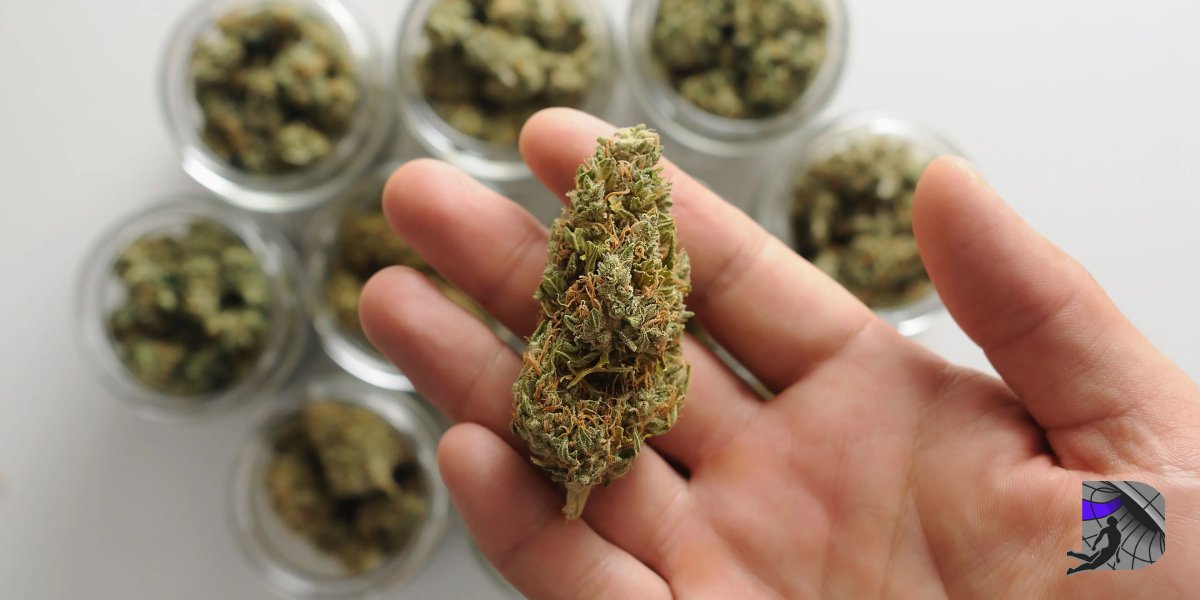
The legal market dictates very harsh conditions for every large producer, which is why Dispensary Weed So Dry has become a familiar reality. Before hitting the shelf, the product undergoes multi-stage laboratory testing for microbiological contaminants. The slightest mold spore inevitably leads to the immediate rejection of huge batches of expensive goods. To guarantee passing strict government checks, farmers deliberately lower the natural moisture level below any optimal values. Commercial risks force companies to choose absolute sterile dryness over a rich flavor profile, leaving rehydration questions to the consumer.
The transportation process also makes a significant contribution to the final quality of the commercial goods. Complex logistics take weeks, and temperature fluctuations inside trucks rapidly accelerate the evaporation of valuable essential oils. Standard plastic packaging does not provide truly ideal long-term airtightness. Even expensive glass jars let micro-doses of destructive oxygen pass through imperfect lids. When the logical question arises, why legal weed crumbles to dust, the answer always hides in the overly long wholesale supply chain. Every extra week in a transit warehouse inexorably steals the natural resinous potency from the plant.
- Mandatory tests for microbes force producers to severely over-dry raw materials.
- Plastic containers for display cases cannot retain the internal moisture of the product.
- Temperature fluctuations during prolonged transportation destroy the valuable molecules of the plant.


Lemon Cherry Gelato – 1g Live Resin Cartridge | APE

Empire Cake – 1g Live Resin Cartridge | APE


Tropicana Cookies – 1g Live Resin Cartridge | APE

Pink Runtz – 1g Live Resin Cartridge | APE


Statue of Liberty Haze – 1g Live Resin Cartridge | APE

Hippie Crasher – 1g Live Resin Cartridge | APE

Blue Milk – 1g Live Resin Cartridge | APE

What Optimal Humidity Is Necessary to Preserve the Plant’s Properties?
Scientific research clearly proves that the optimal humidity for storing buds is in the strict range of fifty-eight to sixty-two percent. This narrow corridor always provides a perfect balance between fully preserving sticky trichomes and preventing the active development of pathogenic microorganisms. If the indicator drops below fifty-five percent, beneficial ethereal compounds begin to rapidly evaporate into the jar’s atmosphere. The leaves immediately become very brittle, and the combustion process accelerates multiple times. The user gets acrid hot smoke instead of the expected pleasant effect from an expensive retail product.
Exceeding the upper humidity threshold entails completely different problems. Levels above sixty-five percent instantly create a perfect microclimate for the rapid multiplication of dangerous black mold spores. Such a spoiled product becomes harmful to the human respiratory system, so it is subject to absolutely immediate disposal. Controlling these important parameters by eye is completely impossible. Professional care for legal cannabis necessarily requires the competent use of precise digital hygrometers. An investment in a miniature reliable humidity sensor fully pays off on the very first attempt to save expensive genetics without serious quality loss.
- A perfect moisture balance guarantees an even burn without sudden temperature spikes.
- Excessive humidity provokes fungus growth inside the dense flowers of the plant.
- A digital hygrometer allows you to accurately track the microclimate inside the glass container.
How to Properly Use Citrus Peels for Rehydration?
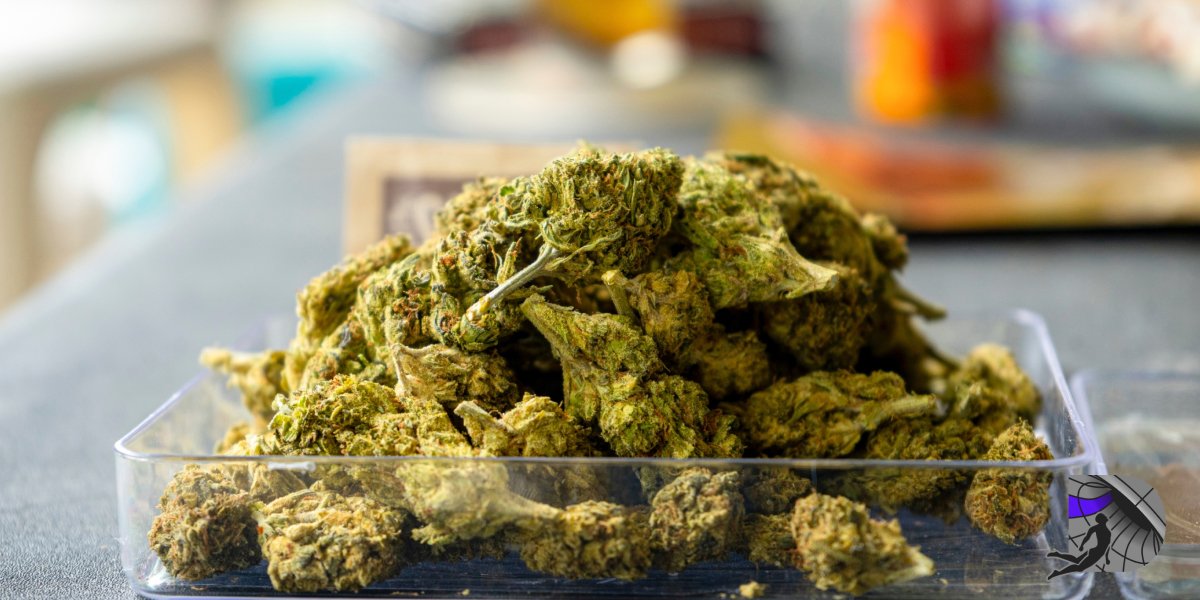
Folk methods often suggest using fruit pieces to quickly moisturize dry cannabis in normal home conditions. Orange or lemon peel contains a large amount of natural essential oils, as well as moisture. It is enough to place a small fresh fragment of zest into an airtight glass jar with flowers for a few short hours. The plant material will begin to actively absorb the evaporating water, returning its original elastic softness. However, this method always requires constant and extremely attentive strict control. If you leave the fruit element inside for too long, the fungus risk becomes enormous.
It is important to understand the side effects of frequently applying citrus peels during home harvest restoration. The zest inevitably transfers its very strong aroma to the entire contents of the glass container. For inexpensive basic strains, a light hint of fresh orange might be a pleasant bonus. But if the goal is to save over-dried harvest of elite premium class, alien active terpenes will hopelessly overpower the original genetics of a rare scent. Furthermore, sweet pulp residues strongly provoke rotting. You should exclusively use thinly sliced zest without the white inner layer for just a few hours maximum.
- Orange zest effectively releases moisture due to its high content of natural oils.
- Prolonged presence of fruit in the jar guaranteed leads to severe mold infection.
- Citrus terpenes can permanently alter the original flavor profile of an expensive product.


Lemon Cherry Gelato 1g Disposable Vape | APE


What Are the Advantages of Professional Microclimate Control Solutions?
The modern specialized industry offers technological approaches that completely eliminate the risks of cheap folk recipes. Special two-way humidity packs for cannabis have created a true global revolution in long-term storage matters. Inside such compact sachets is purified water and natural salts, securely enclosed in a reverse osmosis membrane. The unique technology works in both directions: it gives moisture to crunchy buds or absorbs excess from the air. This always allows you to stably maintain an ideal sixty-two percent. You no longer need to worry daily about the sudden appearance of destructive rot inside your favorite jars.
Using innovative membrane technologies greatly simplifies routine life for the average consumer. You just need to drop one small pack into an airtight glass container and calmly forget about the problem for several long months. When the packet becomes very hard, it is simply replaced with a new one. This is the only scientifically backed answer to the question of how to restore dry weed without losing its properties. The salt solution never releases foreign odors, carefully preserving the pristine purity of terpenes. Integrating such smart solutions helps easily squeeze the absolute maximum potential out of unfortunate retail purchases.
- Two-way membranes can both humidify and dehumidify the air inside the container.
- Salt solutions inside the packets are absolutely neutral and do not affect the smell.
- The hardening of the sachet serves as a clear visual signal for its urgent replacement.
Why Is Distilled Water Needed to Save an Over-Dried Product?
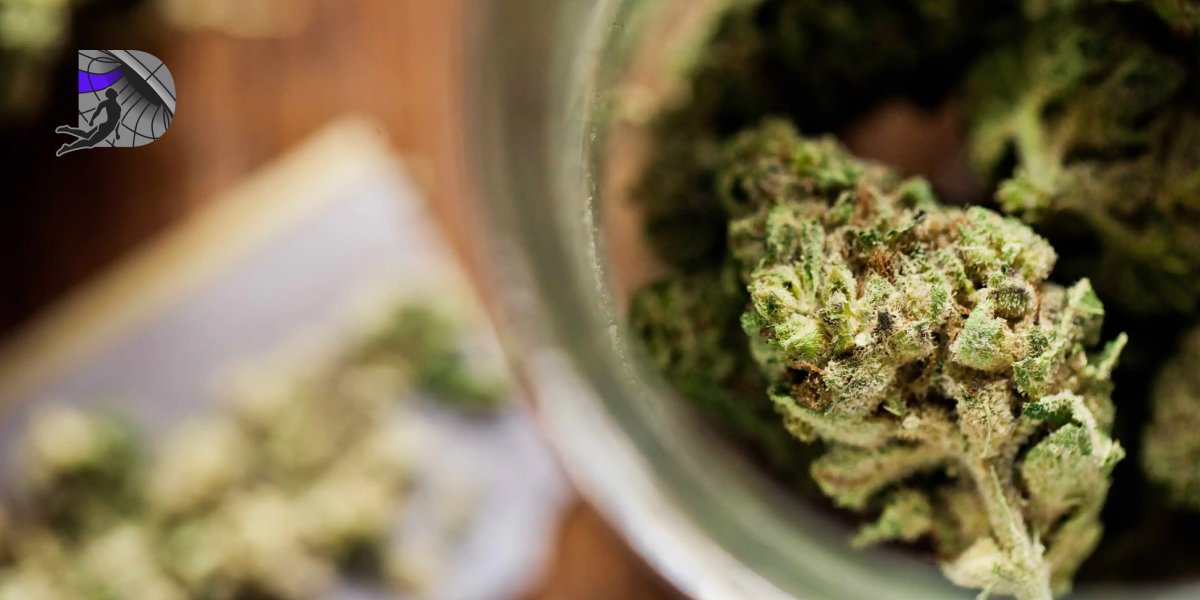
The wet cotton pad method remains highly popular due to its simplicity and practically zero cost. However, the main key success factor here is strictly distilled water. Using liquid from the tap is categorically unacceptable, as it contains chlorine, minerals, and microbes. Regular water can instantly trigger a rapid rotting process. To ensure proper marijuana storage, a pad moistened with distillate is carefully attached to the inner side of the jar lid. Moisture must evaporate extremely gradually, absolutely not touching the flowers themselves. Direct contact will instantly ruin valuable botanical material beyond rescue.
The main difficulty of this accessible method lies in fully manual management of the local microclimate. The owner must check the jar every two hours to ensure they do not allow over-humidification. As soon as the fragile cannabis flowers become slightly soft, the external moisture source must be immediately removed. If you accidentally leave the pad overnight, the humidity level will quickly rise to a critical eighty percent. This spike will destroy the valuable product faster than it managed to dry on the shelf. Distilled water perfectly solves urgent emergency rehydration tasks. But it is entirely unsuitable for long-term maintenance.
- Distilled water eliminates the entry of dangerous minerals and bacteria into the container.
- Direct contact of wet cotton with plant material leads to instant rapid rotting.
- The method requires constant visual monitoring to avoid a sharp spike in humidity levels.
Lemon Cherry Gelato – 1g Live Resin Cartridge | APE
Empire Cake – 1g Live Resin Cartridge | APE
Tropicana Cookies – 1g Live Resin Cartridge | APE
Pink Runtz – 1g Live Resin Cartridge | APE
Statue of Liberty Haze – 1g Live Resin Cartridge | APE
Hippie Crasher – 1g Live Resin Cartridge | APE
Blue Milk – 1g Live Resin Cartridge | APE
What Container Best Protects the Product from Drying Out?
Choosing the absolutely correct container directly determines the lifespan of all active plant components. Plastic zip-bags, in which legal goods are often initially sold, are created exclusively for safe transportation to your home. They easily let light through, accumulate harmful static electricity, and completely fail to retain the microclimate. Solving the pressing problem of how to properly package cannabis, specialized experts always recommend thick glass jars with tight silicone seals. Glass is a completely inert, safe material. It does not react with terpenes and reliably blocks the access of destructive oxygen to the delicate molecules.
Protection against bright ultraviolet radiation plays a role no less important than basic physical airtightness. Direct sunlight strongly heats the glass surface and destroys the structure of cannabinoids much faster than any other external factor. For the absolute most ideal storage, you should choose massive jars made of dark or special protective ultraviolet glass. Such high-quality containers must always be placed in a cool, darkened spot, away from hot heating appliances or kitchen stoves. The combination of a proper airtight vessel and regulatory membrane packs guarantees the return of freshness even to the driest unfortunate retail purchase.
- Plastic bags accumulate static, tearing fragile trichomes off the flower surfaces.
- Inert glass eliminates chemical reactions with the secreted essential plant oils.
- Dark glass effectively protects the molecular structure of the product from destructive ultraviolet.
Can Fresh Bread Become a Tool for Product Rehydration?
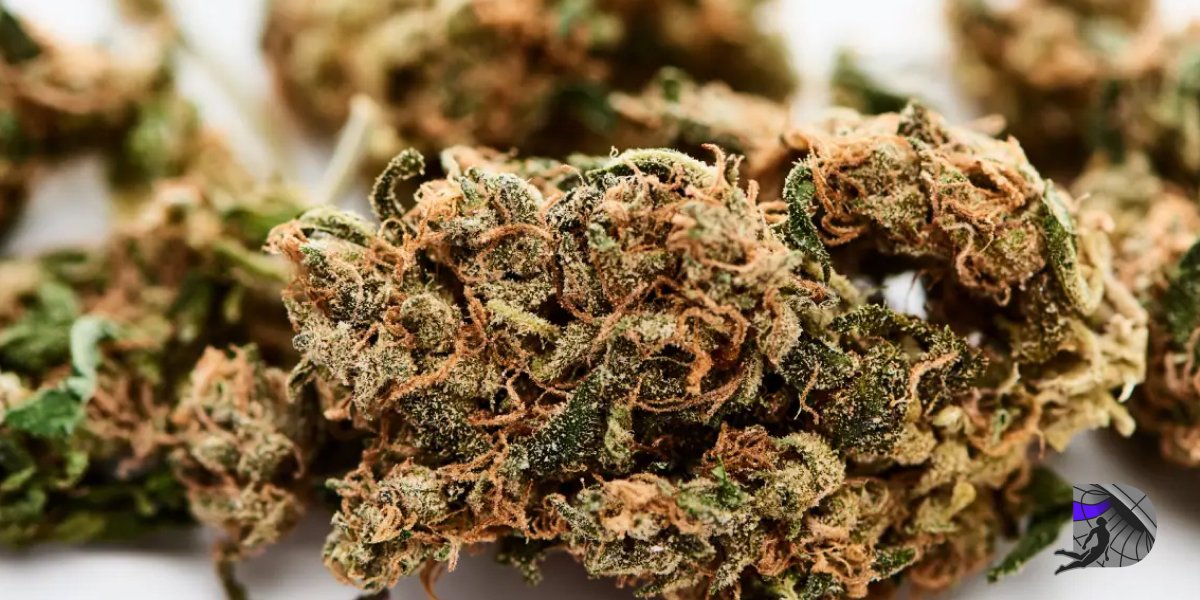
Culinary life hacks sometimes find highly unexpected applications in new related fields. A piece of soft white bread works on the same basic principle as a citrus peel, but possesses one critically important advantage. Bread contains a lot of moisture, yet practically lacks its own aggressive essential oils. This means that the rapid restoration procedure will pass without severely distorting the original flavor profile of an expensive strain. By placing a fresh bread crumb next to an open jar of dry buds inside a large airtight container, you can achieve an excellent smooth increase in the necessary humidity level.
The risks of this extremely popular method are always associated with yeast and high starch content. Warm room temperature quickly turns the bread crumb into a perfect incubator for the rapid growth of mold colonies. You need to monitor such a process much more strictly than in the case with an orange. You can save over-dried dispensary buds in this unusual way only with constant attentive presence and frequent visual inspection. This approach is better viewed as a one-time useful experiment for quickly preparing a portion, rather than a reliable continuous storage system. Proper care requires professionalism.
- The neutral smell of white bread eliminates unwanted alteration of the original terpene profile.
- The presence of active yeast makes the crumb an extremely dangerous neighbor during prolonged use.
- The bread method is suitable exclusively for the one-time and rapid preparation of a small product amount.
You may be interested
Frequently Asked Questions: Why Is Dispensary Weed So Dry?
1. Why is dispensary weed so dry compared to home-grown?
2. Does dispensary weed so dry indicate poor quality?
3. How can I fix dry dispensary weed at home?
4. What is the optimal humidity for cannabis flowers?
5. Can citrus peels effectively hydrate dry buds?
6. Why does dry weed burn so quickly?
7. What is the best container for long-term storage?
8. How can I tell if my cannabis is too dry?
9. Is it safe to use bread to rehydrate cannabis?
10. Does rehydration affect the potency of the weed?
Lemon Cherry Gelato 1g Disposable Vape | APE


