



Learn more about
How to Store Cannabis Products to Keep Them Fresh


Learning how to store cannabis correctly remains critically important to protect flowers, concentrates, and edibles from rapid degradation caused by light, air, moisture, and temperature fluctuations. Proper preservation allows you to significantly extend cannabis shelf life, prevent mold, and fully preserve the original aroma, flavor, and overall potency over time. This overview covers key environmental factors, optimal container materials, microclimate control strategies, and practical methods ensuring the best way to store weed at home without losing its original qualities.

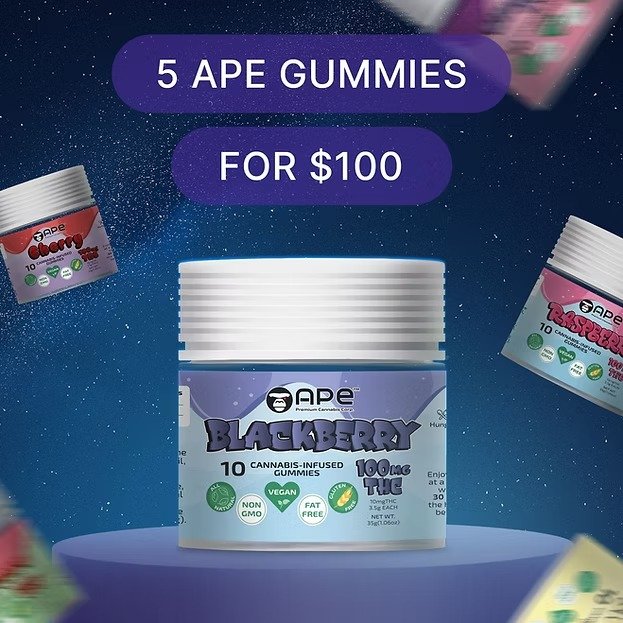
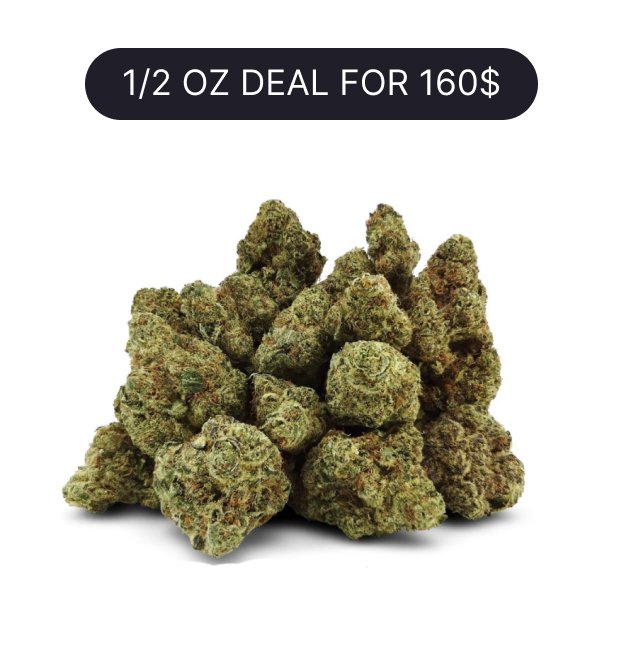

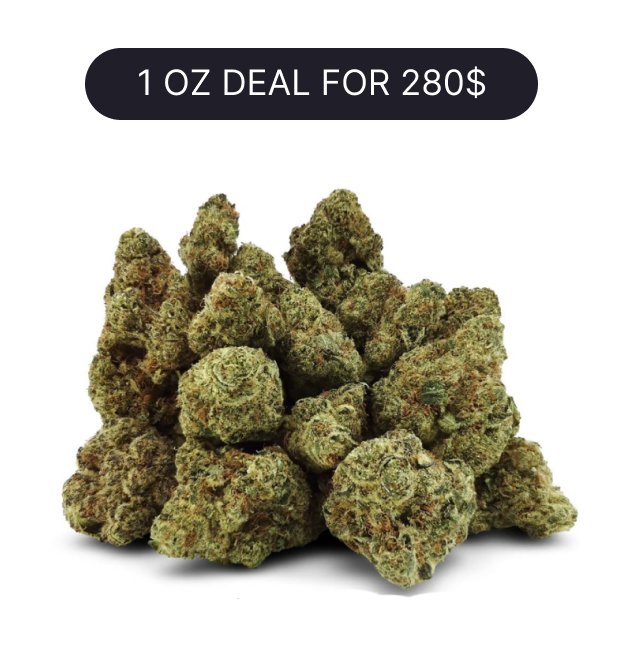
Environmental factors constantly threaten the structural integrity of active botanical compounds when proper containment protocols are ignored. Ultraviolet radiation acts as a powerful catalyst, rapidly burning through organic elements and degrading essential oils. Excess oxygen triggers an immediate oxidation process, slowly turning potent materials into stale, inactive matter. Furthermore, critical fluctuations in relative humidity levels create severe structural damage to the cellular walls of the plant material. Eliminating these negative environmental variables guarantees long-lasting freshness and consistent therapeutic effects completely.
- Ultraviolet radiation rapidly burning through active organic compounds.
- Excess oxygen triggering a fast oxidation process within the raw material.
- Critical fluctuations in relative humidity levels inside the storage room.
What are the main enemies of flower freshness and how do you eliminate them?
The primary factors degrading cannabis quality include direct sunlight, oxygen exposure, elevated temperatures, and sudden humidity spikes within the storage area. Ultraviolet light continuously breaks down THC molecules, transforming them into CBN, which drastically reduces the original potency and alters the overall effects. Uncontrolled air access aggressively dries out the flowers, evaporating the valuable terpenes responsible for the unique aromatic profile. If you are researching how to keep weed fresh effectively, neutralizing these external irritants becomes your main daily task.
Temperature management requires absolute consistency because excessive heat accelerates the drying process and evaporates volatile oils long before consumption. Maintaining a stable, cool environment slows down the natural degradation process, keeping the trichomes intact and sticky to the touch. Frequent temperature shifts cause condensation inside jars, immediately creating a breeding ground for harmful bacterial growth. Protecting your supply from these aggressive environmental triggers guarantees a smooth, flavorful, and highly potent experience every single time you open your carefully sealed container.
- Placing supplies exclusively in completely dark cabinets or designated drawers.
- Using airtight containers equipped with dense silicone sealing rings.
- Maintaining a stable room temperature consistently around 60 to 68 degrees Fahrenheit.


Lemon Cherry Gelato – 1g Live Resin Cartridge | APE

Empire Cake – 1g Live Resin Cartridge | APE


Tropicana Cookies – 1g Live Resin Cartridge | APE

Pink Runtz – 1g Live Resin Cartridge | APE


Statue of Liberty Haze – 1g Live Resin Cartridge | APE

Hippie Crasher – 1g Live Resin Cartridge | APE

Blue Milk – 1g Live Resin Cartridge | APE

Which container type works best for preserving properties over the long term?
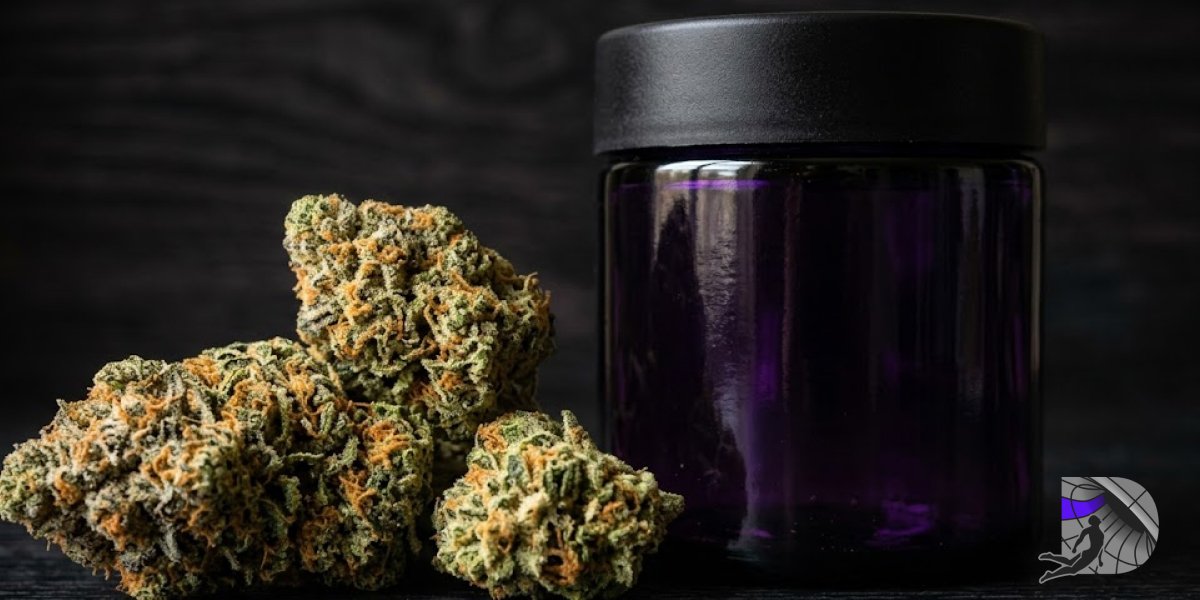
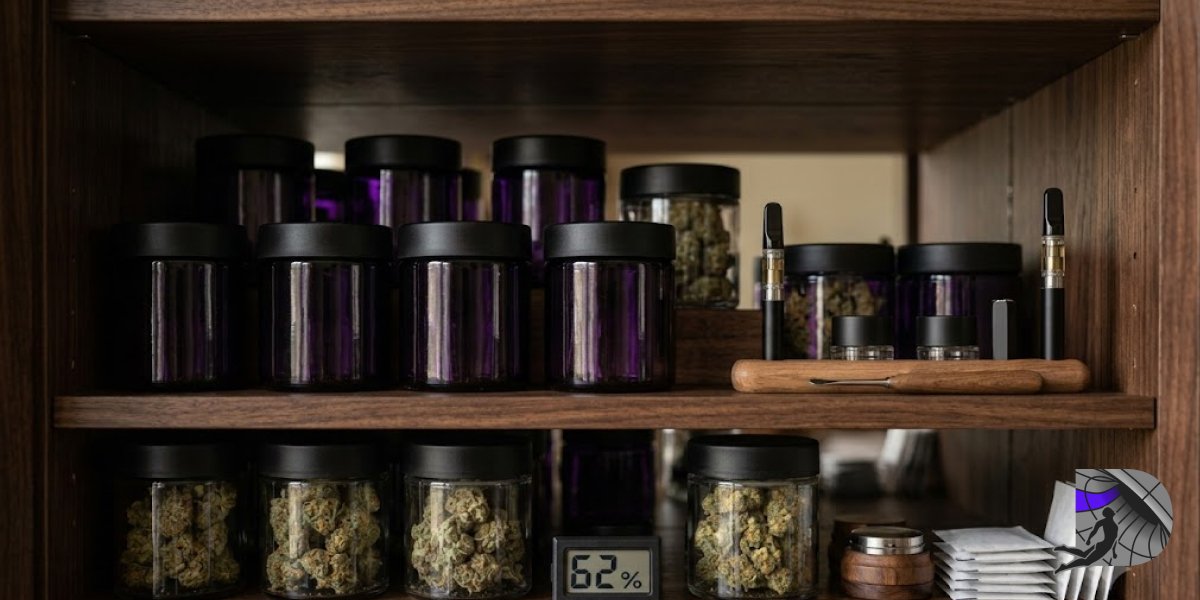
Selecting the correct vessel determines exactly how successful your proper cannabis storage will be over the course of many months. Standard plastic bags and cheap containers remain strictly unsuitable for this purpose due to static charge, which pulls fragile trichomes directly off the flower’s surface. Ultraviolet-proof jars made of dark green or deep purple glass serve as the optimal solution, effectively blocking harmful light spectrums. When evaluating how to store marijuana safely, prioritize specialized glass vessels with secure mechanical clasps.
A tight mechanical seal prevents any unwanted air exchange with the outside environment, locking the internal microclimate precisely where it needs to be. These high-quality materials guarantee zero chemical leaching, ensuring that no foreign odors or toxic plastic molecules contaminate your premium botanicals. Investing in professional-grade glassware initially might seem like an extra step, but it definitively protects the financial value and therapeutic integrity of the product. The container serves as the primary physical barrier against a harsh exterior environment.
- Complete chemical neutrality of the material preventing any foreign odor transfer.
- Reliable protection against static electricity preserving the integrity of delicate trichomes.
- Absolute airtightness achieved through heavy-duty lids with premium rubber gaskets.
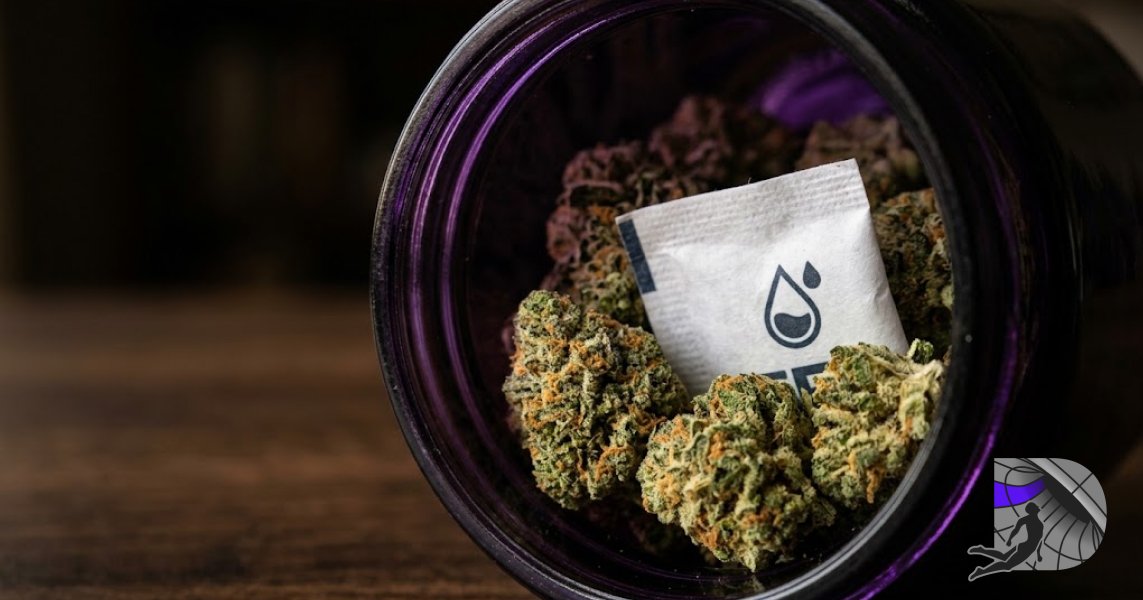
How do you properly control moisture levels inside the storage container?
Relative humidity inside the jar plays a decisive role in preventing severe flower dehydration or the emergence of highly dangerous mold. Excessively dry air turns the raw material brittle and harsh, while too much moisture creates a perfect breeding ground for fungal spores. When analyzing how to store cannabis long term, you must strictly target the golden humidity standard ranging precisely between 59% and 63%. Implementing two-way moisture regulation packets automatically maintains this perfect microclimate without requiring constant manual ventilation.
Controlling the internal atmosphere guarantees that the flowers remain pliable, sticky, and aromatic for an extended period without drying into flavorless dust. Specialized humidity packs absorb excess moisture during humid days and release pure water vapor when the internal environment becomes dangerously dry. This dynamic balancing act preserves the structural integrity of the buds, keeping the delicate terpene profiles fully locked inside the plant tissue. Maintaining strict environmental parameters ensures that your premium organic material ages gracefully rather than degrading.
- Two-way humidity control packets locked at a fixed moisture percentage.
- Compact digital hygrometers for precise internal tracking inside the glass jar.
- Specialized vacuum pumps designed to extract excess air from the storage container.


Lemon Cherry Gelato 1g Disposable Vape | APE


Is freezing harvests possible and what consequences does this specific process cause?
Freezing is frequently considered an easy method to preserve harvests, yet this specific approach hides severe structural risks for raw botanical materials. Sub-zero temperatures cause the protective resin glands to become extremely brittle, making them shatter and fall off during minimal mechanical contact with the container walls. If your primary goal involves learning to keep cannabis fresh for months, standard freezing without a deep understanding of thermodynamics often causes severe damage. Only utilize this method with specialized commercial vacuum equipment.
Extreme cold shocks the organic cellular structure, potentially rupturing cell walls if excessive moisture remains trapped inside the flower tissue. Aggressive temperature shifts during the thawing process inevitably attract condensation, instantly introducing dangerous water droplets directly onto the fragile dried buds. Therefore, avoiding the freezer entirely remains the safest operational protocol for everyday consumers looking to maintain peak product quality. Relying on cool, dark, and strictly climate-controlled indoor environments provides superior, reliable results without risking catastrophic destruction of trichomes.
- Complete avoidance of shaking or moving the container before fully thawing.
- Gradual defrosting at normal room temperature prior to opening the seal.
- Mandatory extraction of all trapped ambient air before entering the cold environment.
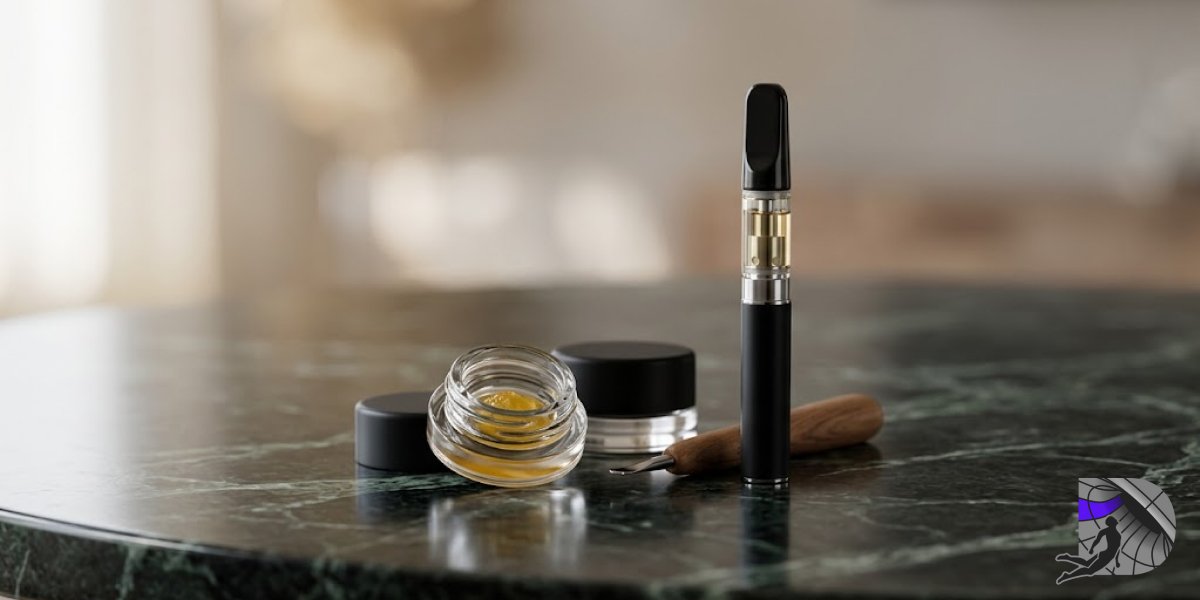
What are the specific rules for keeping different concentrate forms and edibles?
Different product types require a customized approach regarding temperature management and the exact choice of airtight packaging. Vape cartridges and liquid extracts must remain strictly in an upright vertical position to prevent messy leaks and internal hardware clogs. Terpene-rich concentrates maintain their delicate structural consistency best when housed in small glass jars or specialized silicone containers. The best humidity for storing weed holds absolutely no relevance for baked edibles, where the cool temperature of a refrigerator plays the paramount role.
Edibles infused with botanical extracts degrade rapidly when exposed to heat, causing gummies to melt and baked goods to grow stale or moldy. Securing these consumable items in opaque, airtight silicone bags inside a cool environment preserves both their texture and their active compound distribution. Concentrates require minimal air exposure, meaning the smallest possible glass vessel prevents excessive oxidation of the volatile essential oils. Understanding these format-specific constraints guarantees that every distinct product category retains its intended texture and maximum efficacy.
- Vertical fixation of liquid cartridges to prevent internal oil leakage.
- Holding perishable edible goods in cool environments preventing premature melting.
- Utilizing minimally sized glass containers specifically designed for thick resinous extracts.
Lemon Cherry Gelato – 1g Live Resin Cartridge | APE
Empire Cake – 1g Live Resin Cartridge | APE
Tropicana Cookies – 1g Live Resin Cartridge | APE
Pink Runtz – 1g Live Resin Cartridge | APE
Statue of Liberty Haze – 1g Live Resin Cartridge | APE
Hippie Crasher – 1g Live Resin Cartridge | APE
Blue Milk – 1g Live Resin Cartridge | APE
Which common mistakes do consumers make when organizing their home setups?
One of the most frequent consumer errors involves relying on standard wooden cigar humidors or cardboard boxes, which aggressively absorb vital moisture directly from the product. Furthermore, keeping supplies near household appliances that radiate constant thermal energy, such as refrigerators, televisions, or desktop computers, drastically accelerates degradation. Proper cannabis storage completely excludes sudden temperature fluctuations caused by placing containers near active heating radiators or kitchen stoves. Avoid constantly unsealing your glass jars without a valid reason, preventing internal microclimate disruption.
Storing multiple different strains together inside a single large container creates an undesirable blending of unique terpene profiles, muddying the distinct flavors. Leaving jars exposed on bright window sills instantly subjects the delicate organic matter to a destructive barrage of ultraviolet radiation and heat. Another massive mistake involves tossing loose buds directly into plastic bags, crushing the flower structure and stripping away the sticky resin glands. Implementing a thoughtful, dedicated organizational strategy eliminates these careless physical errors and protects investments completely.
- Placing transparent jars directly on windowsills or near active heat sources.
- Using thin plastic sandwich bags intended for short-term food transport.
- Mixing entirely different botanical strains within a single shared glass vessel.
How can you easily tell if the product has lost freshness and become unusable?
Identifying severe material degradation relies heavily on visual inspection, tactile texture changes, and the noticeable absence of a rich, complex aroma. If the flowers crumble into a fine, lifeless powder under minimal finger pressure, the internal moisture level has dropped well below critical safety thresholds. The sudden appearance of white powdery webbing or a harsh, musty smell clearly indicates active mold development, making the compromised product highly dangerous to consume. Conducting a thorough, regular physical examination intercepts negative changes immediately.
A completely muted scent profile, often resembling old hay or dried grass, signals that the volatile essential oils have evaporated entirely into the surrounding air. Darkening plant tissues or an unusually brittle stem structure further confirms that aggressive oxidation has successfully destroyed the primary active botanical compounds. Recognizing these crucial warning signs early prevents the accidental consumption of heavily degraded or biologically contaminated materials. Practicing proactive quality control guarantees that your carefully curated collection remains safe, highly effective, and enjoyable.
- A scent resembling dry hay, mustiness, or a complete lack of original aroma.
- Excessive physical dryness turning the botanical structure into a fine powder.
- Visible traces of fuzzy mold spores or severe darkening of plant tissues.
You may be interested
Frequently Asked Questions About How to Store Cannabis
Why is proper storage crucial for maintaining product quality?
What humidity range works best for long-term flower storage?
Why should you avoid using plastic bags for holding flowers?
Is freezing raw flower material recommended for everyday consumers?
How does ultraviolet light affect plant compounds over time?
What temperature conditions are ideal for home preservation?
How should liquid vape cartridges and extracts be stored safely?
What are the best methods for keeping edible products fresh?
Why are wooden humidors unsuitable for holding raw flowers?
How can you identify if stored material has degraded beyond use?
Lemon Cherry Gelato 1g Disposable Vape | APE


