



Learn more about
Mindful Relaxation: How to Beat NYC Stress with Cannabis


Mindful Relaxation is increasingly associated with effective ways to cope with NYC stress, helping residents navigate the city’s demanding pace of life. Constant noise, packed schedules, crowded transit, and nonstop information overload make cannabis for relaxation, mindful relaxation, stress relief, and cannabis and stress highly relevant search topics. Many adults look for practical ways to restore balance without changing their entire routine. A thoughtful approach to relaxation can support focus, emotional stability, and better rest. That is why mindful recovery continues to attract growing attention among city residents.



Mindful relaxation starts with awareness of breathing, body signals, and emotional reactions. Some adult consumers consider cannabis for mindful relaxation as one possible tool for easing tension after a demanding day. Individual sensitivity, personal health factors, and local laws always matter. This approach works best alongside proper rest, physical activity, and stress control. Together, these habits can reduce overload and create a more manageable rhythm of life without constant fatigue.
- High information overload
- Lack of quality rest
- Ongoing emotional tension
How Does Mindful Relaxation with Cannabis Work?
Mindful relaxation is not about escaping problems quickly. It is about paying closer attention to the present state of mind and body. In this context, cannabis for stress relief is often viewed as a supportive element that may help shift attention away from outside noise and toward internal sensations. The practice usually includes a calm environment, no rush, and focus on the present moment. This can make it easier to notice body signals and reduce accumulated psychological pressure after work or emotionally intense events.
The effect depends on many factors, including experience level, personal traits, and the chosen format of use. For a more comfortable result, moderation matters. So does attention to personal response. Mindfulness helps people observe changes gradually, without unrealistic expectations. Many specialists note that relaxation tends to feel more effective when a person creates a peaceful setting in advance, limits distractions, and allows time for full physical and emotional recovery after stress.
- Calm surroundings
- Attention to personal sensations
- Moderate and mindful approach


Lemon Cherry Gelato – 1g Live Resin Cartridge | APE

Empire Cake – 1g Live Resin Cartridge | APE


Tropicana Cookies – 1g Live Resin Cartridge | APE

Pink Runtz – 1g Live Resin Cartridge | APE


Statue of Liberty Haze – 1g Live Resin Cartridge | APE

Hippie Crasher – 1g Live Resin Cartridge | APE

Blue Milk – 1g Live Resin Cartridge | APE

What Benefits Do People Look for in Cannabis for Relaxation?
Most interest comes from the desire to reduce emotional overload and create a stronger sense of inner comfort. Searches such as best cannabis for relaxation, natural stress relief, and mindful cannabis experience show a clear intent: people want a way to slow down after a demanding day. For many, the appeal is not only relaxation itself, but also the chance to reset attention, improve evening downtime, and respond to daily tasks and outside triggers with less pressure.
Among the potential benefits, users often mention an easier transition from work mode to rest mode. Some people find it simpler to focus on meditation, reading, quiet walks, or other calming activities. Results remain individual and cannot be guaranteed in advance. Mood, environment, and overall condition all influence the experience. For that reason, a mindful approach matters more than expecting an instant effect or a universal solution for everyone.
- Easier transition into rest
- Support for calming routines
- Reduced sense of overload
How Can You Create the Right Atmosphere for Calm Rest?
Even effective relaxation methods can feel weaker in a stressful environment. For mindful relaxation with cannabis, the surrounding space matters a lot. A quiet room, comfortable lighting, and no urgent tasks help the mind focus on recovery. It is useful to finish key responsibilities ahead of time and remove anything that could pull attention back into tension. This preparation makes rest feel more predictable and more comfortable for the nervous system.
Many people enhance a relaxing atmosphere with breathing exercises, soft music, or light stretching. These elements help slow the internal pace and reduce psychological strain. The fewer distractions around, the easier it becomes to stay present. Over time, a mindful approach to rest builds stable recovery habits that can support well-being not only in the evening, but throughout a demanding workday as well.
- Comfortable space
- Minimal distractions
- Calm recovery ritual


Lemon Cherry Gelato 1g Disposable Vape | APE


What Mistakes Prevent the Desired Effect?
One common mistake is using relaxation practices as a way to ignore unresolved stress completely. That approach rarely leads to lasting results. Cannabis and mindfulness are about awareness, not avoidance. Rushing the process, expecting too much, or choosing the wrong environment can also interfere. The higher the internal tension before rest begins, the harder it is for the body to shift into a calm and balanced state without resistance.
Another frequent mistake is inconsistency. Mindful relaxation tends to work better when it is part of regular healthy habits, not only during rare moments of exhaustion. Proper sleep, physical activity, and stress control remain essential parts of overall well-being. If those basics are ignored and everything depends on one tool, the result may fall short. A broader routine usually creates a more stable and predictable outcome for most adult consumers.
- Unrealistic expectations
- Lack of consistency
- Ignoring basic recovery
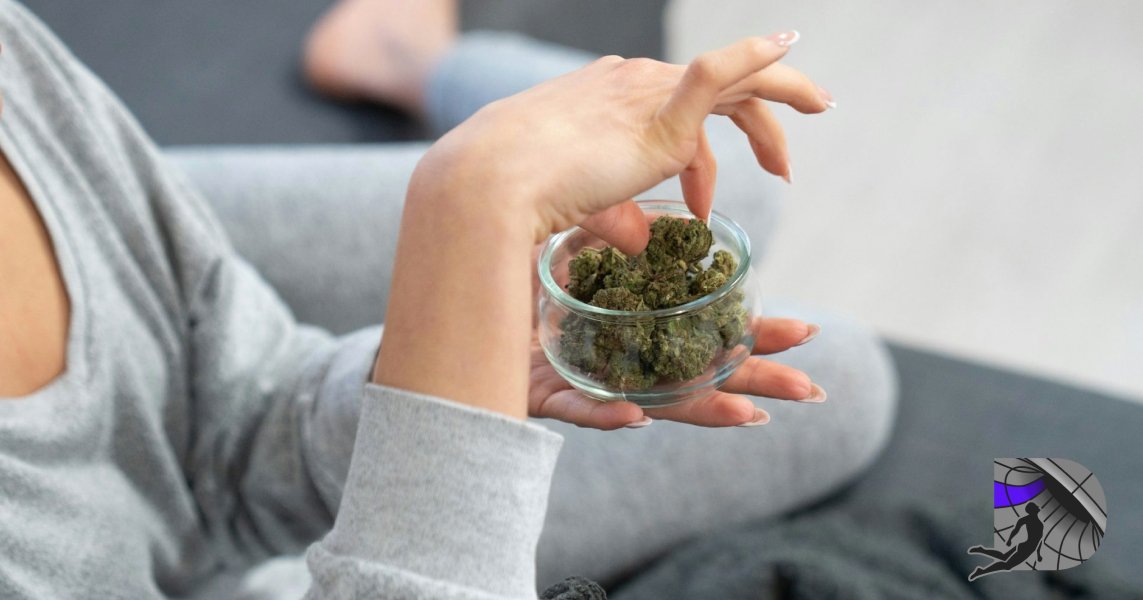
Can Cannabis Be Combined with Mindfulness Practices?
Many people who value a mindful lifestyle see the combination of relaxation techniques and cannabis for mindfulness as a way to stay more connected to the present moment. Meditation, controlled breathing, and quiet observation of personal sensations can reduce the impact of outside noise. This approach focuses on awareness rather than chasing intensity. The balance between relaxation and mindfulness is what makes the experience feel more comfortable for many adult users.
Mindfulness practices also help people understand their reactions and notice emotional changes earlier. That matters especially for those dealing with heavy workloads and constant time pressure. When the process is approached carefully, relaxation feels more natural and more predictable. A mindful routine helps avoid unnecessary rush and supports healthy recovery habits that can improve quality of life and daily stress resilience.
- Meditation and breathing techniques
- Careful observation of sensations
- Building stable habits
Lemon Cherry Gelato – 1g Live Resin Cartridge | APE
Empire Cake – 1g Live Resin Cartridge | APE
Tropicana Cookies – 1g Live Resin Cartridge | APE
Pink Runtz – 1g Live Resin Cartridge | APE
Statue of Liberty Haze – 1g Live Resin Cartridge | APE
Hippie Crasher – 1g Live Resin Cartridge | APE
Blue Milk – 1g Live Resin Cartridge | APE
What Should You Consider When Choosing the Right Option?
The right choice depends on personal goals, lifestyle, and preferences. Some users want support for evening rest, while others focus on calm recovery after an emotionally intense day. Searches such as cannabis for anxiety relief, relaxation products, and stress management often reflect this search for a more individual solution. It is important to consider personal experience, review product details carefully, and aim for comfort rather than extreme effects or fast changes.
Responsible selection starts with understanding personal needs. For some people, a gentle effect matters most. For others, ease of use or duration is more important. It is also wise to look for clear product information and compliance with current regulations. This approach supports better decisions and helps create a more positive experience aligned with personal relaxation goals and emotional balance after a demanding period.
- Individual usage goals
- Product feature review
- Responsible selection approach
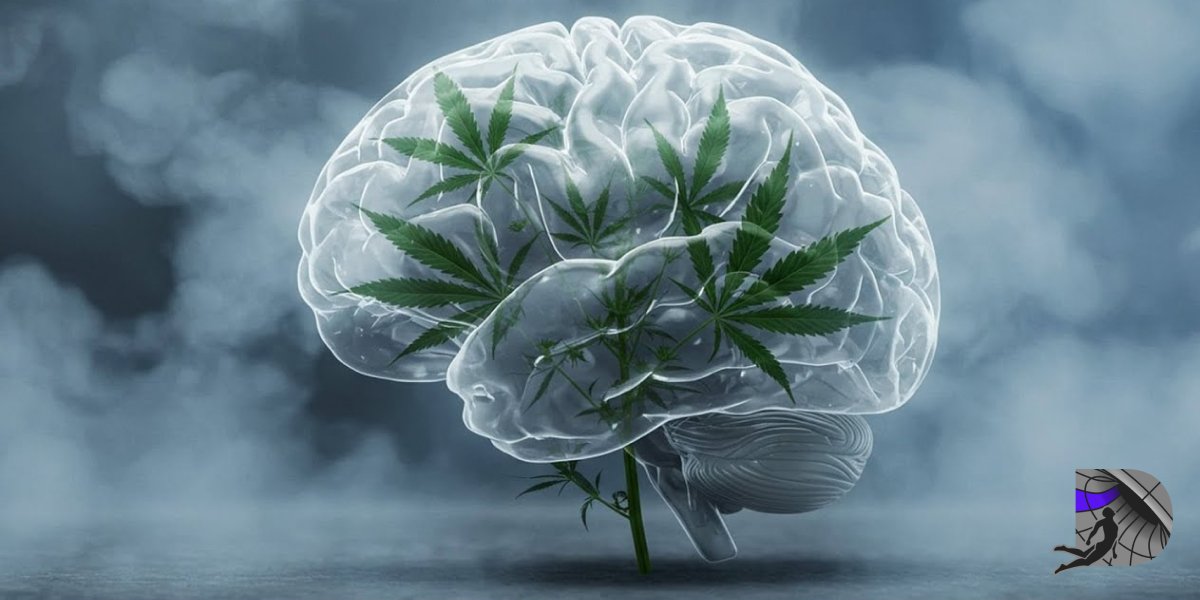
Why Is Mindful Relaxation Becoming Part of a Healthy Balance?
Constant stress can gradually reduce quality of life, which is why effective recovery methods remain important. Cannabis for mindful relaxation, stress relief cannabis, and relaxation techniques are increasingly viewed as part of a broader wellness strategy. The goal is not to solve every problem instantly. It is to create better conditions for handling daily pressure with more calm. Well-structured rest helps preserve inner resources and improve long-term resilience to outside demands.
Mindful relaxation is valued for bringing attention back to personal needs and the present moment. Combined with healthy habits, it can support emotional balance and reduce the impact of chronic tension. For city residents, that makes it a practical tool for protecting quality of life. The more carefully a person approaches recovery, the more likely it becomes to build a stable system of physical and psychological self-care over time.
- Supporting emotional balance
- Improving rest quality
- Building stronger stress resilience
You may be interested
Frequently Asked Questions About Mindful Relaxation and Cannabis for NYC Stress Relief
What is mindful relaxation with cannabis?
Why is cannabis often discussed as a tool for stress relief in New York City?
Can cannabis support mindfulness practices?
What factors influence the relaxation experience?
What are common mistakes people make when seeking relaxation?
How can someone create an ideal relaxation environment?
Is mindful relaxation only useful after work?
Why is moderation important when using cannabis for relaxation?
Can relaxation techniques improve overall well-being?
Who may benefit from mindful relaxation practices?
Lemon Cherry Gelato 1g Disposable Vape | APE


