



Learn more about
NYC Cannabis Taxes Explained: What’s the Real Price?


Understanding the cost of legal cannabis requires grasping a multi-layered tax structure. When using Weed Delivery or visiting a dispensary, consumers face not just a markup, but a combination of potency-based excise taxes and standard sales taxes. Many mistakenly believe the checkout total is just a shop’s profit margin. In reality, the structure is far more complex, as a portion of funds goes toward social equity programs, while the rest covers strict licensing costs and rigorous laboratory product testing.


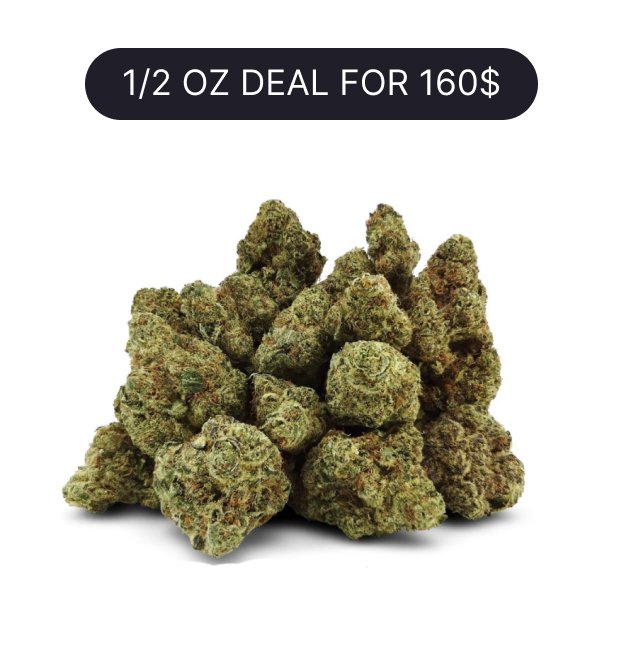

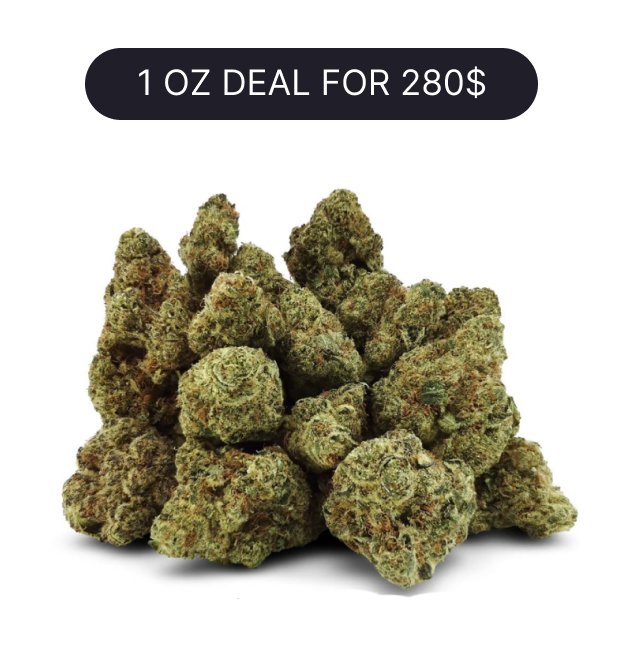
The final price is composed of several tax tiers aggregated before payment. The base price displayed on a menu rarely includes these mandatory fees. When opting for Weed Delivery, keep in mind that state excise taxes are not based on the transaction value, but on the volume of active compounds. Let’s break down why lawmakers chose this specific system and how it impacts the budget of an average consumer in a major city like New York today.
- State excise tax based on total milligrams of THC.
- Combined sales tax (state plus local municipal rates).
- Local fees dedicated to social programs and rehabilitation funds.

Why does the THC-based tax change the price of products?
Unlike standard retail, where taxes are calculated from the shelf price, cannabis is subject to a potency-based excise tax. This means the price fluctuates based on the concentration of active ingredients. When ordering a premium product via Weed Delivery, the tax is higher than on budget items with lower THC levels. This approach allows the state to regulate the market by influencing the cost of “high-potency” items, ensuring that each batch sold legally undergoes mandatory professional laboratory quality testing.
The tax distribution system for various categories is quite specific. Flower is taxed at one rate, while concentrates and edibles require higher contributions, directly impacting the shelf price. Consumers are often surprised by the final receipt, failing to realize they are paying a state fee per milligram of active substance. This taxation model is a deliberate choice by the state, aimed at ensuring transparency and quality control for every specific product available through authorized retail channels in the city.
- Flower carries the lowest excise tax rate per milligram.
- Concentrates and extracts are subject to a higher multiplier.
- Edibles utilize the highest tax coefficient due to potency.


Lemon Cherry Gelato – 1g Live Resin Cartridge | APE

Empire Cake – 1g Live Resin Cartridge | APE


Tropicana Cookies – 1g Live Resin Cartridge | APE

Pink Runtz – 1g Live Resin Cartridge | APE


Statue of Liberty Haze – 1g Live Resin Cartridge | APE

Hippie Crasher – 1g Live Resin Cartridge | APE

Blue Milk – 1g Live Resin Cartridge | APE

What role do local taxes play in NYC purchases?
Beyond state-level mandates, New York City implements additional local levies that increase the final total for every purchase. If you utilize Weed Delivery, these percentages are automatically added to your checkout cart. Local authorities use these revenues to fund public safety initiatives and addiction services. As a result, the total tax burden for a city resident is slightly higher than in smaller jurisdictions that have not adopted the additional municipal fees outlined in local cannabis legalization ordinances.
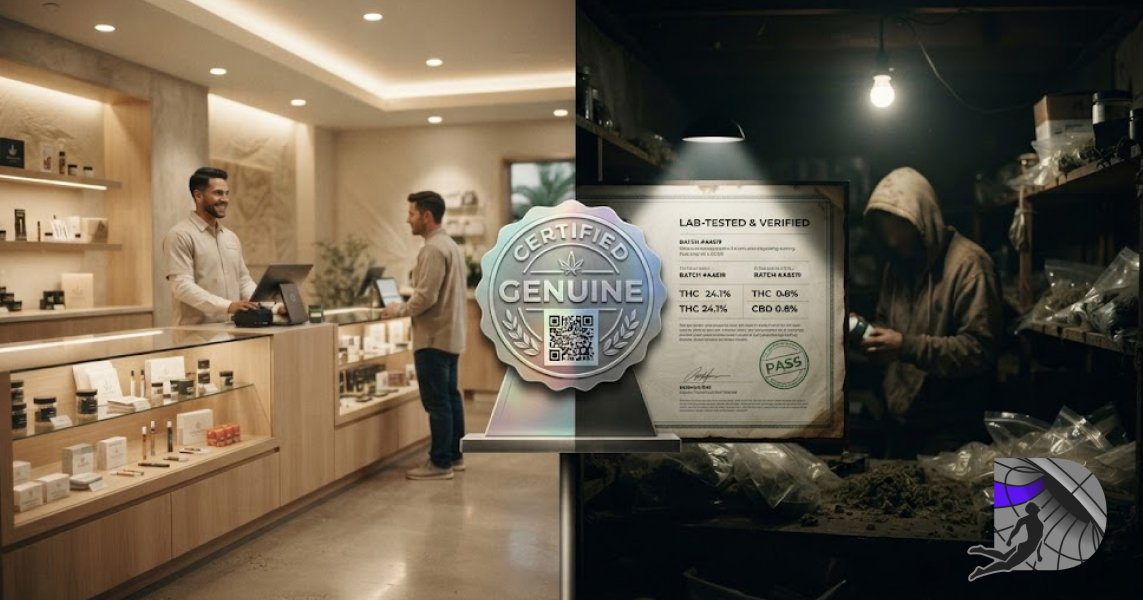
This “tax pyramid” creates an environment where legal products struggle to compete with the “gray” market on price. However, consumers should recognize that this 20-25% tax includes a guarantee of safety. Every gram of cannabis moving through legal channels has been lab-tested for heavy metals and pesticides. By purchasing legally, you are paying not just for the product, but for the assurance of its contents, which is impossible to guarantee when buying from undocumented, non-verified, and unregulated sources.
- Local municipal tax reaching up to 4 percent.
- Contributions to the New York State Social Equity Fund.
- Funding for public education and dependency prevention programs.
How to effectively manage your budget for cannabis?
To avoid unpleasant surprises, it is vital to account for “hidden” costs when buying cannabis. Many Weed Delivery services display menu prices before taxes, so the final total often differs from the initial cart by 15-20%. A smart approach involves analyzing the specific product content: choosing items with lower THC percentages or opting for larger quantities can significantly reduce the absolute tax amount charged per unit during checkout, helping you stay within your established monthly or weekly consumption budget.
Optimizing expenses is also possible through loyalty programs. While taxes remain fixed, using shop discounts helps balance the “tax shock.” Experienced buyers know that bulk purchases can sometimes be more cost-effective as certain administrative fees are spread across a larger number of grams. Regardless, price transparency is the key to ensuring you do not overpay while clearly understanding exactly where every dollar goes during a legal transaction within the vast landscape of the city’s emerging cannabis retail market.
- Always verify the final cost including all applicable taxes.
- Monitor THC levels to estimate the tax impact.
- Utilize store loyalty points and ongoing promotional discounts.


Lemon Cherry Gelato 1g Disposable Vape | APE


Will legal product prices become more affordable in the future?
As the market in New York State matures, experts predict price stabilization due to supply chain optimization. While the cannabis sector is still in its infancy, high taxes are necessary to cover administrative and security costs. However, as the number of licensed locations increases and Weed Delivery logistics become more efficient, competition will intensify. This will pressure retailers to reconsider their profit margins, eventually making legal products more price-competitive for the average city resident over the next few years.
Rather than trying to eliminate the tax burden, the market is shifting toward enhancing value. Consumers are increasingly choosing official sales channels not just for legality, but for service. Convenient delivery, detailed product descriptions, and return policies for damaged items create a value proposition that outweighs the price difference compared to illicit sellers. As the legal industry grows, consumer behavior will continue to shift toward prioritizing this high level of quality, safety, and accountability over merely finding the lowest price.
- Increased density of licensed dispensaries will drive competition.
- Potential refinement of state tax formulas after initial rollout.
- Improved logistics for delivery services will reduce operating costs.
Is there a difference in taxes when ordering delivery?
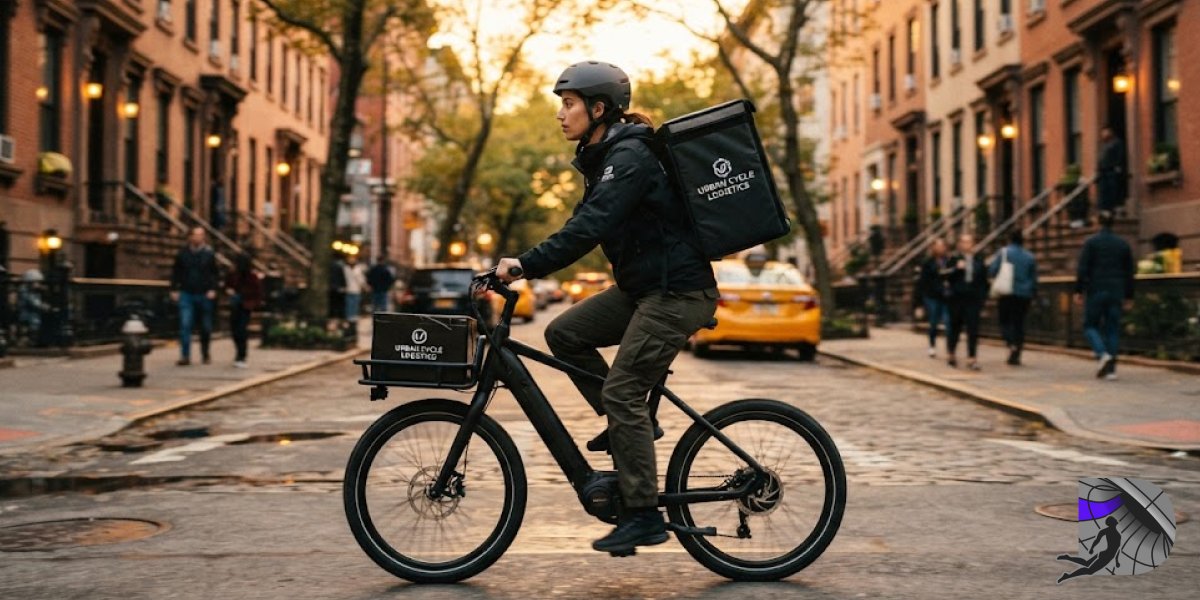
Many assume that taxes for Weed Delivery differ from in-store purchases. In reality, the taxation system remains identical regardless of how you acquire cannabis. The state applies a uniform formula to all licensed sales. However, delivery is often accompanied by service fees, which are not taxes but still impact the final total. It is important to distinguish these charges to understand how much constitutes a state levy versus what covers the courier’s labor and the company’s logistics operations.
When ordering to your door, you pay the same THC excise tax as you would during an in-person visit. Because every legal service must maintain strict records, all fees are transparently displayed on your receipt. If you notice the total significantly exceeds your expectations, check if there are additional insurance fees or rush-delivery surcharges included. In the legal sector, these charges must be itemized, allowing the buyer full control over their expenses during every transaction made via online platforms.
- Tax rates remain constant across all sales channels.
- Delivery service fees are always listed as a separate line.
- Receipt transparency confirms the legality of your transaction.
Lemon Cherry Gelato – 1g Live Resin Cartridge | APE
Empire Cake – 1g Live Resin Cartridge | APE
Tropicana Cookies – 1g Live Resin Cartridge | APE
Pink Runtz – 1g Live Resin Cartridge | APE
Statue of Liberty Haze – 1g Live Resin Cartridge | APE
Hippie Crasher – 1g Live Resin Cartridge | APE
Blue Milk – 1g Live Resin Cartridge | APE
How do taxes affect the quality of legal cannabis?
The heavy tax burden on cannabis is a direct consequence of strict quality standards. When you pay these taxes, a portion of the funds supports the mandatory laboratory testing of every batch in NYC-accredited facilities. This means any product ordered via Weed Delivery has passed rigorous checks for mold, pesticides, and dangerous impurities. Thus, taxes act as an insurance policy for your health, ensuring product purity that is simply impossible to guarantee on the illicit market where such standards are nonexistent.
Consumers often focus solely on the final price, forgetting that every digit reflects immense work in safety assurance. The legal industry in New York invests millions in staff training and quality control equipment. All these costs are ultimately passed on to the goods, but in return, you receive a product with predictable effects and a guaranteed profile. This is a case where the extra cost becomes an investment in your own well-being, effectively eliminating the risk of encountering low-quality, tainted material.
- Laboratory tests eliminate the presence of harmful impurities.
- Strict storage standards preserve terpene efficiency and potency.
- Product transparency is backed by official certificates of analysis.

Should you chase the lowest price on the market?
While seeking savings on cannabis, it is crucial to remember the downside of being cheap. An absence of taxes or a suspiciously low price often indicates the product did not pass through legal supply chains, meaning it lacks safety guarantees. By using established Weed Delivery services, you receive a predictable level of service and verified purity. It is often better to pay slightly more, knowing you are consuming a certified product that has cleared all state-mandated checks and quality protocols.
Ultimately, the choice is yours, but being informed is the best tool for decision-making. Understanding New York’s tax structure helps not only with budgeting but also in realizing why the legal market functions as it does. The industry is becoming more accessible, and service quality continues to climb. By staying within the legal framework, you support the growth of a transparent economy and guarantee yourself access to top-tier products that meet the highest modern safety and professional service standards.
- Avoid dubious listings with unrealistically low pricing.
- Prioritize safety over minimal financial gain.
- Only use licensed platforms with publicly verifiable data.
You may be interested
Frequently Asked Questions about Cannabis Taxes and Weed Delivery
How are taxes on Cannabis calculated in New York?
Why is the final price of my Weed Delivery order higher than the menu price?
Are taxes for Cannabis different if I buy in-store versus delivery?
What happens to the money collected from Cannabis taxes?
Does high-THC Cannabis cost more due to taxes?
Why are legal prices sometimes higher than the black market?
Is laboratory testing included in the price of Cannabis?
How can I find the most affordable Weed Delivery options?
Are edibles taxed differently than flower in Cannabis shops?
How can I verify if my Weed Delivery service is legal?
Lemon Cherry Gelato 1g Disposable Vape | APE


